
Hybrid Work Ergonomics: Policies, Tools, and Best Practices
Hybrid Work Ergonomics: Policies, Tools, and Best Practices
Nov 21, 2025
Recent advances in ergonomics are changing how organizations protect worker health and improve productivity. Here are the main trends we have observed over the past few months.
AI and computer vision for continuous ergonomic checks. New AI tools use cameras to watch how people move and sit. They give continuous risk scores and warn when a task looks risky. Companies use these systems to quickly screen many workers, then send higher‑risk cases to human ergonomists for a closer look. These tools work best as helpers for experts, not as replacements.
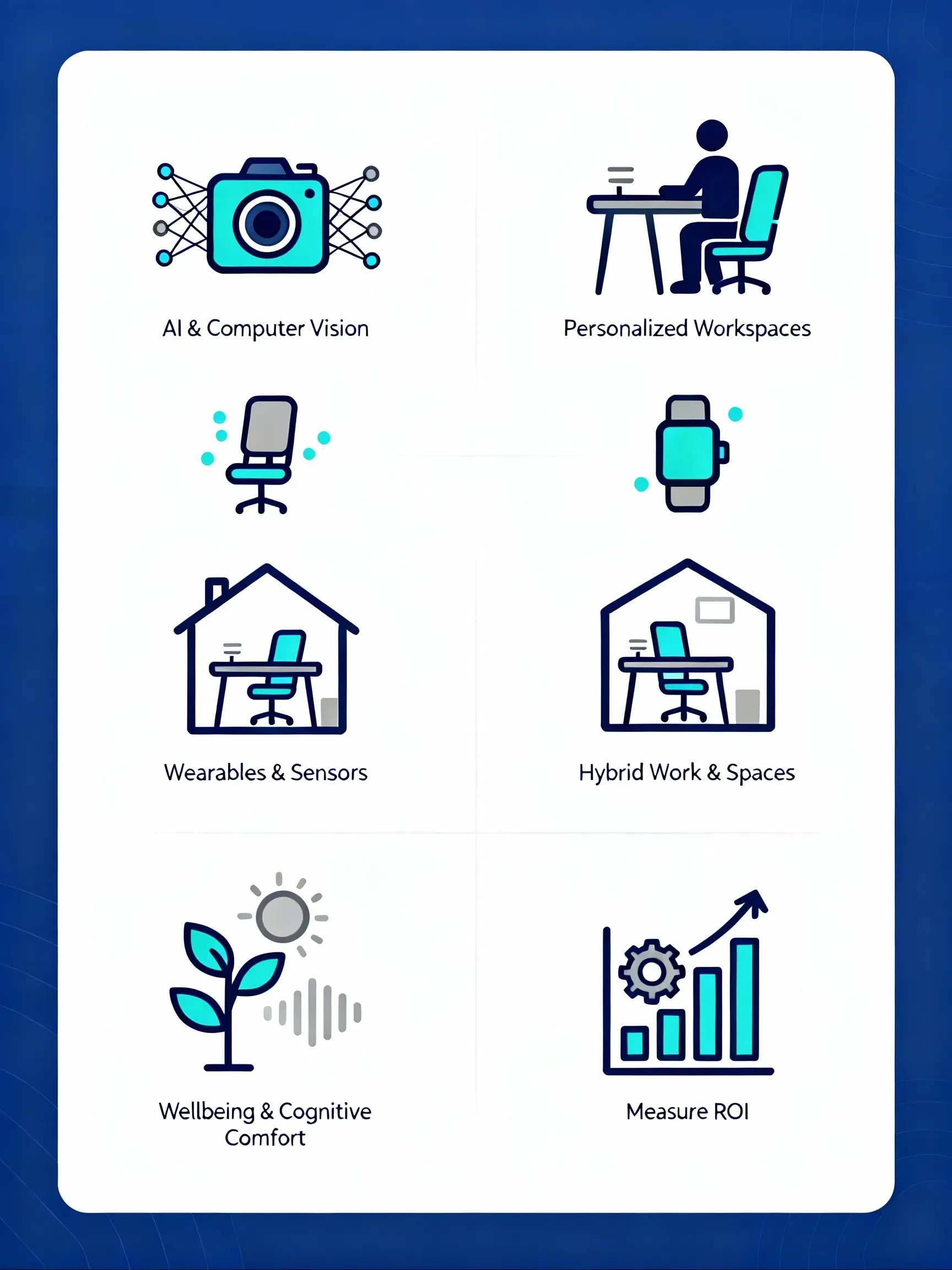
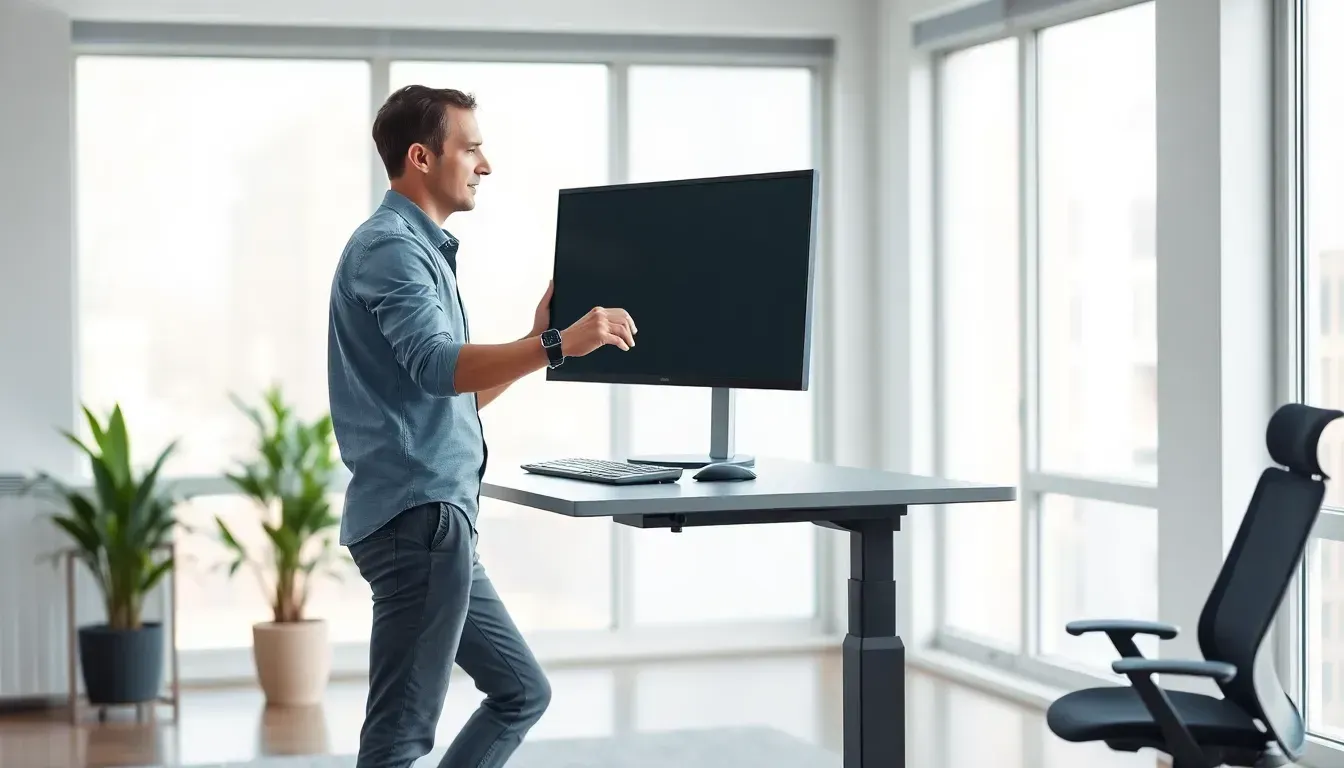
Personalized, data-driven workspaces: More workplaces offer adjustable and personalized furniture. Examples are height-adjustable desks, dynamic chairs, and configurable workstations. When these items are combined with user data, they better support a person’s unique body and movement. Businesses are providing personalized setups both in the office and for remote workers so people have similar ergonomic support at every location.
Wearables and built-in sensors for prevention: Wearables and sensors inside hairs, keyboards, and tools - track repetition, force, and awkward postures. They can give real-time prompts and small reminders to take breaks, which helps reduce the build-up of physical strain. Employers are piloting these systems to collect objective data that supports prevention programs.
Ergonomics for hybrid work and flexible spaces: With hybrid work becoming common, ergonomics programs focus on giving equal support at home and in the office. Actions include standardizing remote equipment allowances, offering virtual assessments, and designing shared spaces that are easy to adjust and use. This trend reviews stress consistent policies and flexible space planning.
Broader focus on wellbeing and cognitive comfort: Ergonomics is expanding beyond just reducing physical injury. Designers now consider cognitive comfort and overall wellbeing—things like natural light and plants, better acoustics, and ways to reduce mental load. This wider human-centered approach aims to cut stress and improve focus as well as physical comfort.
Measuring ROI and linking ergonomics to performance: Employers want measurable results. Programs are combining exposure data, pain or health outcomes, injury claims, and productivity measures to show return on investment. Clear business benefits help keep funding for ergonomic work.
What practitioners should do now
- Use AI and computer vision tools for screening, and keep human ergonomists for detailed assessments
- Standardize remote ergonomics policies and equipment allowances for hybrid workers
- Collect objective exposure data from sensors and wearables and connect it to health and performance outcomes to build a business case.
- Include cognitive comfort and wellbeing goals, not just injury reduction.
- Focus on personalization: adjustable equipment, tailored training, and real-time nudges.
Limitations: Much of the recent coverage comes from industry trend reviews and practitioner sources summarizing technology and design directions. For clinical guidance or rules, check primary research studies and local occupational health regulations.
Selected sources
- Solutions Northwest – “The Evolution of Ergonomics: Trends to Watch in 2025”.
- Axiom LLC – “5 Cutting-Edge Ergonomic Trends for a High-Impact 2025”.
- Briotix Health – “Top 5 Ergonomic Trends to Watch in 2025”.
Conclusion: Recent changes in ergonomics make it easier for organizations to protect worker health while improving productivity. New AI tools, sensors, and personalized equipment give better, faster data. At the same time, programs are expanding to cover cognitive comfort and hybrid work needs. To be effective, organizations should combine new technology with human expertise, measure outcomes clearly, and make ergonomics part of everyday workplace planning.